


Monographs in the Japanese Pharmacopoeia (JP)
A monograph is an official document that describes the standards and specifications required to ensure the identity, purity, strength, quality, and safety of a pharmaceutical substance or product. The Japanese Pharmacopoeia (JP) is published by the Ministry of Health, Labour and Welfare (MHLW), Japan.
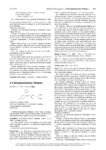
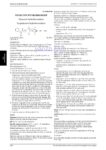
A JP monograph provides detailed information about an active pharmaceutical ingredient (API), excipients, dosage forms, or pharmaceutical preparations. It generally includes the official name, definition, description, identification tests, purity tests, assay, and storage conditions. Depending on the substance or product, it may also include tests for related substances, dissolution, disintegration, uniformity of dosage units, and microbial quality.
Monographs establish standardized quality requirements for pharmaceutical products manufactured, imported, and marketed in Japan. Pharmaceutical industries use these standards during quality control testing and quality assurance activities to verify compliance with official specifications. Regulatory authorities also use pharmacopoeial standards to assess the quality of medicines.
For example, a JP monograph for a tablet may specify identification, assay limits, dissolution requirements, and other applicable quality tests.
In conclusion, JP monographs play a vital role in maintaining uniform pharmaceutical quality, supporting regulatory compliance, and ensuring that medicines meet established standards before reaching patients.